
Sustainability Unleashed: Transforming Tomorrow’s World Today
In the quest for a more sustainable future, individuals and communities worldwide are stepping up to make tangible changes today. One of the most powerful tools at our disposal is the power to rethink how we consume and dispose of resources. By transitioning to a circular economy, we can significantly reduce waste and create systems that are regenerative by design.
A circular economy prioritizes keeping products and materials in use for as long as possible. This principle encourages repair, reuse, and recycling, ensuring that waste becomes a resource rather than a detriment. In practice, this might mean choosing products that offer modular designs or easy repairability. By supporting companies that design for longevity and recyclability, consumers can vote with their wallets for sustainable practices.
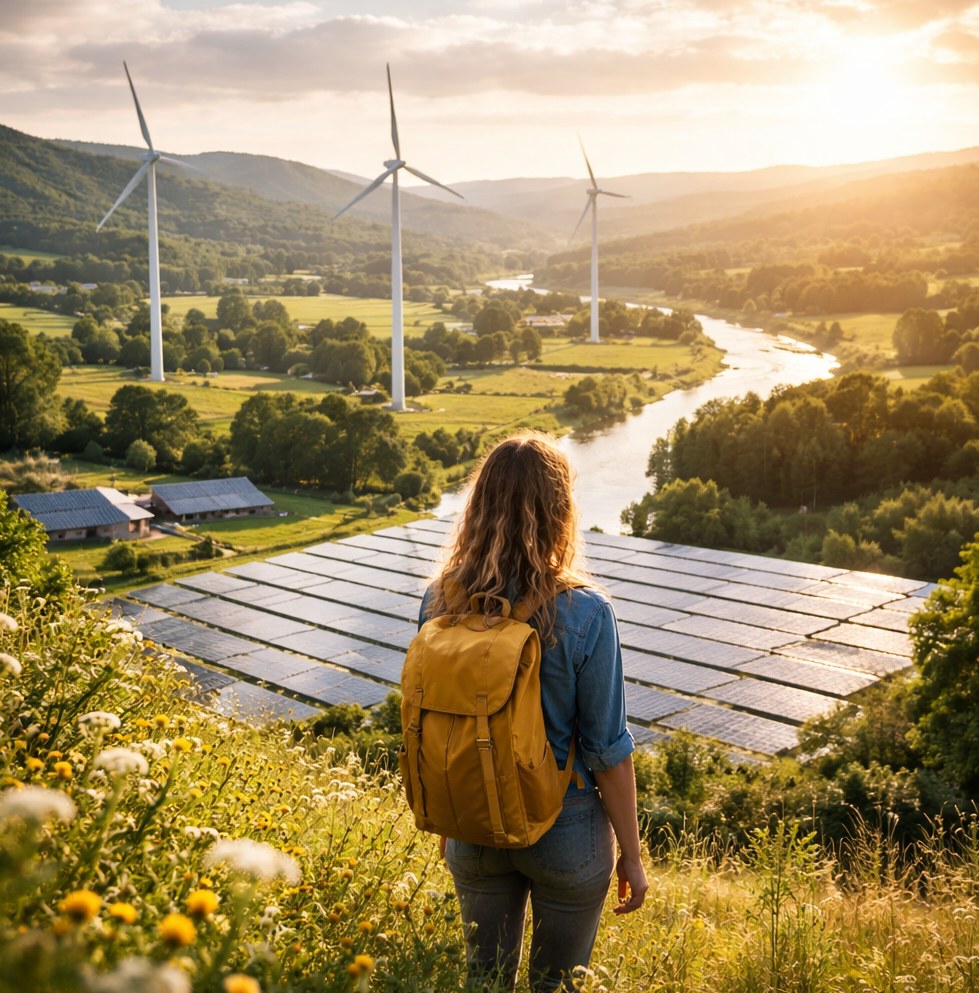
Another key component of sustainability is energy consumption. Transitioning our energy sources from fossil fuels to renewable energy systems is crucial. Solar, wind, and hydroelectric power are not only cleaner options but are increasingly cost-competitive with traditional energy sources. Homeowners can contribute by installing solar panels, while communities can advocate for local and state policies that support renewable infrastructure development.

Water conservation is another area where individuals can make a significant impact. Simple habits like fixing leaks, using water-efficient fixtures, or harvesting rainwater for garden irrigation can save thousands of gallons annually. On a larger scale, communities can invest in water-smart landscaping and infrastructure that supports greywater recycling and rainwater capture. By understanding climate patterns and implementing these sustainable water practices, we secure a vital resource for future generations.
Transport choices also play a pivotal role in our sustainability journey. Opting for public transportation, biking, or electric vehicles can drastically cut individual carbon footprints. Urban planning that supports public transit and safe cycling paths not only benefits the environment but enhances quality of life by reducing congestion and air pollution.
Sustainable agriculture offers another rich avenue for transformation. By supporting local farmers who practice regenerative agriculture, consumers can contribute to healthier ecosystems. These farming practices improve soil health and increase biodiversity while capturing carbon. Farmers are increasingly turning to crop rotation, reduced tillage, and organic methods to improve yields and environmental outcomes. By choosing locally sourced and sustainably grown food, we support these vital efforts.
Waste management is an area ripe for innovation. Beyond the basics of recycling, composting organic waste can significantly reduce landfill contributions. Communities can establish composting programs and support businesses that offer zero-waste packaging. Reducing single-use plastics is critical, and individuals can participate by using reusable bags, bottles, and containers.
Building construction and design also offer promising opportunities for sustainability. Green building techniques, such as passive solar design, energy-efficient HVAC systems, and sustainable materials, can lead to significant reductions in energy consumption and environmental impact. Homeowners can make a difference by choosing eco-friendly renovations and supporting urban developments that emphasize green spaces and biodiversity.
Education and awareness drive these efforts forward. By engaging with local and global sustainability initiatives, individuals can spread knowledge and inspire further action. Schools, community groups, and online platforms offer countless resources and opportunities for learning and involvement. Empowering individuals to make informed choices is crucial for lasting change.
Ultimately, sustainability is about making thoughtful choices that prioritize the health of the planet and its inhabitants. By embracing these strategies and encouraging others to do the same, we contribute to a legacy of stewardship and innovation. Together, we can unleash the potential for a sustainable tomorrow.