

Unlocking the Future: Embrace Sustainability Today
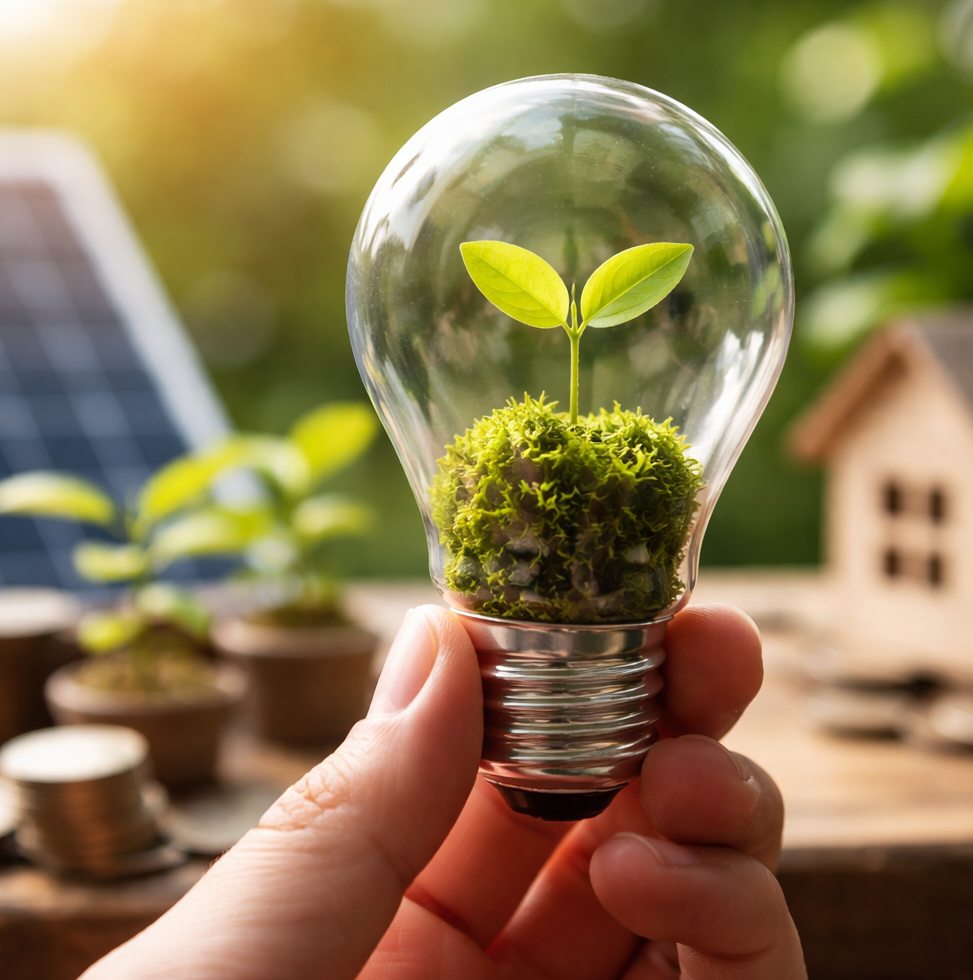
Imagine waking up in a world where nature thrives alongside human progress. That dream is within reach if we choose to embrace sustainability today. The idea is straightforward: use the planet’s resources wisely, ensuring they are available for future generations. But how exactly can we make this idea a reality?
Sustainable living begins at home. Small changes can lead to significant impacts, and everyone has a role to play. Start by re-evaluating daily habits. Energy consumption, for instance, is a crucial area where one can make a difference. Switching to LED lighting and energy-efficient appliances not only reduces utility bills but also minimizes carbon footprints. Consider investing in solar panels or wind turbines if feasible. These alternatives harness renewable energy, directly contributing to a greener planet. Furthermore, unplugging electronic devices when not in use can reduce phantom energy consumption significantly. Even simple actions like adjusting your thermostat to use less heating and cooling can contribute to a more sustainable lifestyle.
Another practical step is rethinking waste. The mantra here is simple: reduce, reuse, recycle. Instead of discarding items, find creative ways to give them new life or send them to recycling centers. For example, glass jars can be repurposed as storage containers, and old clothing can be transformed into cleaning rags. Composting organic waste is another excellent strategy. It turns potential landfill material into nutrient-rich soil, supporting local flora. Urban gardening, using compost, brings nature back into cityscapes, promoting biodiversity even in densely populated areas. Hosting swap events for clothes and household items can also help reduce waste and foster community connections.
Water conservation should not be overlooked. On average, a single person can waste up to 30 gallons of water each day through inefficient habits. Implement water-saving fixtures, fix leaks promptly, and practice mindful water use to cut down on wastage. Collecting rainwater for gardening purposes is both cost-effective and environmentally friendly. Additionally, consider installing low-flow showerheads and dual-flush toilets to significantly decrease household water usage. Simple changes like turning off the tap while brushing teeth can also conserve gallons of water per minute.
Moving beyond individual actions, supporting sustainable agriculture is another vital component. Choose products that are locally sourced and produced with eco-friendly methods. This supports regional economies and minimizes the carbon emissions associated with transporting goods long distances. Farmers’ markets and community-supported agriculture (CSA) programs offer fresh, seasonal produce, often grown without harmful pesticides. Engaging with local farmers and understanding their cultivation methods can also foster a deeper connection to the food we consume.
Transportation is yet another area ripe for change. Opt for public transit, carpool, or even better, ride a bicycle whenever possible. Electric vehicles are becoming more accessible and affordable, offering a clean alternative to traditional fossil fuel-powered cars. Urban areas are increasingly designing infrastructures that cater to non-motorized travel, promoting healthier lifestyles and reducing traffic congestion. Additionally, telecommuting and remote work options can further reduce the need for daily commutes, contributing to lower emissions.
Businesses, too, must adapt to the green wave. Transitioning to sustainable operations is not just a trend but a necessity. This includes adopting green technologies and prioritizing sustainable procurement. By focusing on ethical production and resource efficiency, businesses can significantly reduce their environmental impact while often lowering operational costs. Initiatives such as reducing packaging waste, using recycled materials, and implementing energy-saving protocols can create a positive ripple effect.
Education plays a pivotal role here. Spreading awareness about sustainability practices can spur collective action. Schools, workplaces, and communities should incorporate sustainability into their core ethos, cultivating a culture of environmental stewardship. Empowering future generations with the knowledge and tools to live sustainably ensures that the momentum continues to grow. Workshops and community projects focused on environmental education can act as catalysts for broader societal change.
Ultimately, our collective choices shape the world we inhabit. Embracing sustainability today paves the way for a healthier, happier planet. With careful planning and a commitment to change, a future where humanity and nature coexist harmoniously is not only possible but attainable. Each small step taken by individuals and communities alike brings us closer to a brighter, more sustainable future.
Personal protection: choosing between batons, stun guns, and tonfas
When considering personal protection, the decision to choose between batons, stun guns, and tonfas requires a careful evaluation of each tool’s characteristics, effectiveness, and legal considerations. These tools serve as a means of self-defense, offering varying degrees of protection and utility. Understanding their differences can help individuals make an informed choice tailored to their specific needs and circumstances.

To begin with, batons are one of the most traditional self-defense tools, known for their simplicity and effectiveness. Typically made from metal, wood, or composite materials, batons are designed to incapacitate an attacker through force. They can be easily carried and concealed, making them a convenient option for many. However, using a baton effectively requires a certain level of skill and training, as improper use can lead to unintended injuries. Furthermore, the legality of carrying a baton varies significantly across jurisdictions, necessitating a thorough understanding of local laws before opting for this tool.
In contrast, stun guns offer a more modern approach to personal protection. These devices deliver a high-voltage electric shock to an assailant, temporarily disrupting muscle control and incapacitating them without causing permanent harm. Stun guns are favored for their ease of use and the minimal physical strength required to operate them. Moreover, they provide a psychological deterrent; the mere sight and sound of a stun gun can dissuade potential attackers. Despite these advantages, the effectiveness of stun guns can be limited by factors such as clothing thickness and device quality. Additionally, like batons, the legality of stun guns is subject to regional regulations, and prospective users must ensure compliance with the law.
Tonfas, available at https://dekkade.com/en/, on the other hand, present a unique blend of traditional and modern defensive techniques. Originally used in martial arts, tonfas are characterized by their side handle, allowing for versatile maneuvers and control. They offer an advantage in defensive situations, enabling users to block attacks and counterstrike effectively. Mastery of tonfa techniques can provide a significant edge in personal protection; however, this requires dedicated training and practice. The legal status of tonfas is generally more permissive compared to batons and stun guns, but it is still essential to verify local regulations to avoid potential legal issues.
When deciding between these tools, one must also consider personal comfort and confidence in using the chosen device. Training and familiarity play crucial roles in ensuring effective use during high-pressure situations. Therefore, individuals are encouraged to seek professional training or self-defense classes to enhance their proficiency. Furthermore, it is vital to assess the potential risks and responsibilities associated with carrying any defensive tool, as misuse can lead to legal consequences or unintended harm.
In conclusion, choosing between batons, stun guns, and tonfas involves weighing their respective advantages and limitations, as well as considering legal and personal factors. Each tool offers distinct benefits, catering to different preferences and scenarios. By thoroughly evaluating these aspects and seeking appropriate training, individuals can make an informed decision that aligns with their personal protection needs while adhering to legal requirements.

Hidden travel gems to discover this year
Hidden travel gems are those delightful places that offer a unique experience, yet remain off the beaten path. Discovering these gems can lead to unforgettable adventures, a deeper connection with local cultures, and an escape from the usual tourist crowds. This year, let’s venture beyond the ordinary and explore some lesser-known destinations that deserve a spot on every traveler’s bucket list.

DIY projects to enhance your living space
Enhancing your living space doesn’t have to involve expensive renovations or professional help. With a bit of creativity and some handy DIY projects, you can transform your home into a more stylish, functional, and enjoyable environment. Whether you’re looking to add a personal touch, increase storage, or improve the overall aesthetics, there are plenty of DIY projects to suit every skill level and budget.

Balanced diets for a healthier lifestyle
Maintaining a balanced diet is essential for achieving a healthier lifestyle. By consuming a variety of foods in the right proportions, individuals can ensure they receive the nutrients needed for overall well-being. This approach to eating supports bodily functions, helps maintain a healthy weight, and reduces the risk of chronic diseases.

Effective strategies for maintaining well-being
Maintaining well-being in today’s fast-paced world can be challenging, yet it is vital for a balanced and fulfilling life. With the increasing pressures from work, personal life, and societal expectations, finding effective strategies to sustain physical, mental, and emotional health is essential. This article explores various methods to help individuals maintain well-being, emphasizing practical and achievable steps.

Exploring the beauty of local wildlife
The chirping of birds, the rustling of leaves, and the occasional glimpse of a deer dashing through the forest are just some of the enchanting experiences awaiting those who explore the beauty of local wildlife. Whether in a bustling city or a quiet rural area, local wildlife offers a captivating glimpse into the natural world, showcasing the rich biodiversity that thrives right in our backyards.

Workout routines for all fitness levels
Embarking on a fitness journey can be both exhilarating and daunting. Whether you are a seasoned athlete or a complete beginner, having a structured workout routine is essential for making consistent progress. This article will guide you through various workout routines tailored for all fitness levels, helping you achieve your health and fitness goals effectively.

Cultural festivals and traditions worldwide
Cultural festivals and traditions are a profound way for societies to express their identity, values, and history. Around the globe, these events provide a vibrant tapestry of human diversity, offering unique insights into the customs and beliefs that shape different cultures. Each festival is a colorful celebration that brings communities together, fostering a sense of belonging and shared heritage. Through music, dance, food, and rituals, cultural festivals serve as living museums, preserving and transmitting traditions from one generation to the next.

Sustainable practices for everyday life
Adopting sustainable practices in everyday life can significantly reduce one’s environmental footprint and promote a healthier planet. Making conscious choices, from how we consume resources to the products we buy, can lead to meaningful change. This article explores various strategies that individuals can implement to live more sustainably.